Borders and Ground Cover
Border and ground-cover plants help connect individual features into a coordinated landscape.
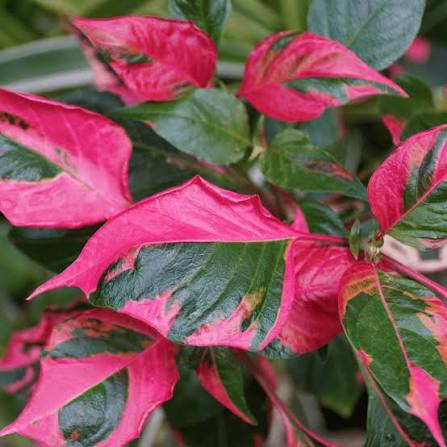
Alternanthera
A compact foliage plant used for colourful edging and patterned beds.
Best placement: Border edge or low pot
Light: Sun to partial shade
Water: Moderate
Container: Trough or small pot
Recommended nursery bag: 5″ × 7″
Display idea: Repeat one colour along an edge
Propagation: Stem cuttings
Planting material: Tip cutting
Uniform size: 8-10 cm, 2-3 nodes
Preparation: Remove the lower leaves; pinch off flowers
Number per nursery bag: 2-3 for a full plant
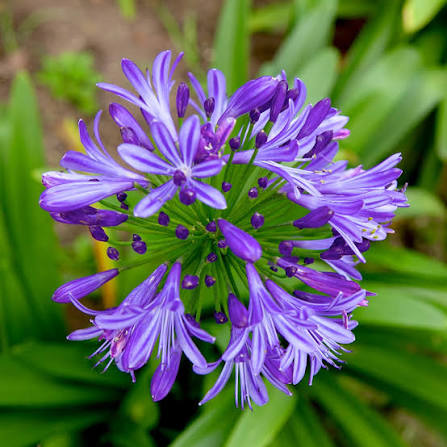
Agapanthus
A clumping perennial with strap-like foliage and tall blue or white flower heads.
Best placement: Path edge, border or large pot
Light: Sun to partial shade
Water: Moderate
Container: Large pot
Recommended nursery bag: 6″ × 9″
Display idea: Plant in repeated groups
Propagation: Division or seed
Planting material: Rooted division
Uniform size: 1 fan with healthy roots, or 2 small fans
Preparation: Lift the clump; separate fans with roots attached; trim damaged roots
Number per nursery bag: 1 division
Lantana
A colourful flowering plant with spreading or shrubby forms that attract pollinators.
Best placement: Sunny border or large container
Light: Full sun
Water: Moderate to low once established
Container: Medium to large pot
Recommended nursery bag: 5″ × 7″
Display idea: Use compact forms along boundaries
Propagation: Cuttings or seed
Planting material: Tip cutting
Uniform size: 8-12 cm, 2-4 nodes
Preparation: Select non-flowering tips; remove lower leaves
Number per nursery bag: 2-3 for coverage
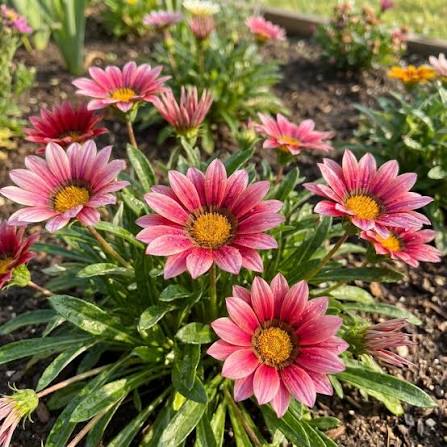
Gazania
A sun-loving daisy with bold flowers and a low spreading habit.
Best placement: Sunny border, pot or slope
Light: Full sun
Water: Low to moderate
Container: Bowl or medium pot
Recommended nursery bag: 5″ × 7″
Display idea: Create a warm-colour collection
Propagation: Seed or division
Planting material: Rooted division or basal cutting
Uniform size: Division 5-8 cm wide
Preparation: Separate a rooted side crown; remove flowers and old leaves
Number per nursery bag: 1 division
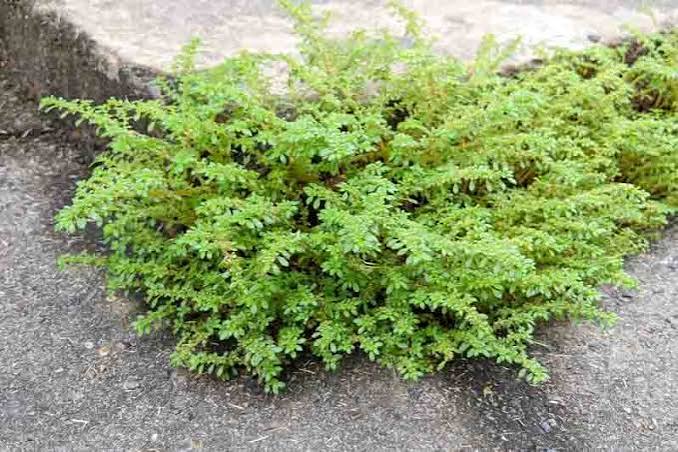
Artillery Plant
A fine-textured, low-growing foliage plant that forms soft green mounds in shaded or partly shaded positions.
Best placement: Shaded border edge, low container or beneath taller plants
Light: Bright shade or gentle morning sun
Water: Moderate; keep lightly moist while establishing
Container: Wide shallow or medium container with drainage
Recommended nursery bag: 5″ × 7″
Display idea: Use several plants to form an even green ground-level mass
Propagation: Stem cuttings
Planting material: Tip cutting
Uniform size: 6–8 cm with 2–3 nodes
Preparation: Remove lower leaves; keep the tender tip shaded
Number per nursery bag: 3 for a full plant
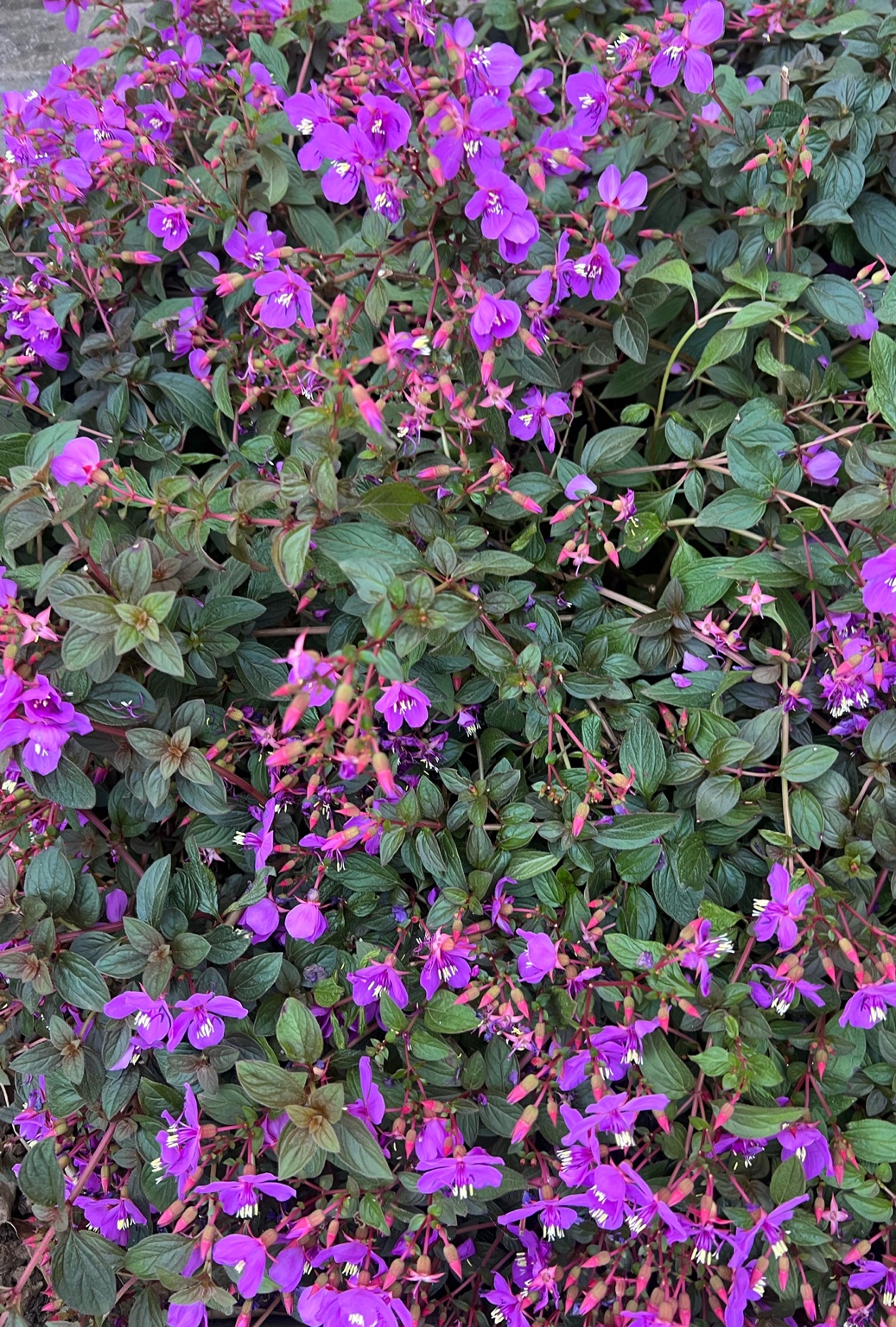
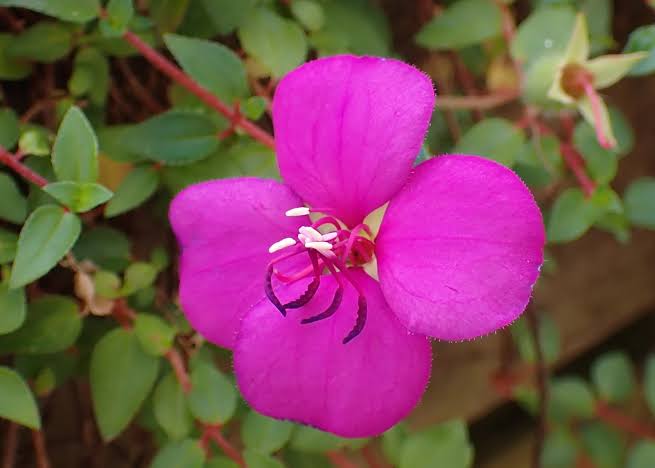
Spanish Shawl
A low trailing plant with small leaves and bright purple flowers suited to borders and raised containers.
Best placement: Border edge, bank, rockery or raised container
Light: Bright light, gentle sun or partial shade
Water: Moderate; maintain moisture during establishment
Container: Wide container that allows trailing growth
Recommended nursery bag: 5″ × 7″
Display idea: Allow stems to spread over an edge or form a flowering mat
Propagation: Stem cuttings
Planting material: Tip cutting
Uniform size: 6–8 cm with 2–3 nodes
Preparation: Remove flowers and lower leaves; keep shaded until planted
Number per nursery bag: 2–3 for coverage